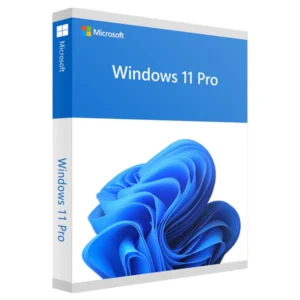
Search “Windows 11 Pro key” on Google and you’ll see something strange: Microsoft charges around $199, but dozens of sites sell what looks like the exact same license for $15 to $30. That’s not a small discount — it’s a 90% price cut on identical software.
Your reaction is probably the same as everyone’s the first time they see this: there has to be a catch. Sometimes there is. Sometimes there isn’t. The tricky part is that the two situations look almost identical from the outside, and the difference only becomes clear when you buy a key and either (a) activate it in 30 seconds and use it for years, or (b) watch it deactivate three months later with no refund available.
This guide explains what’s actually going on with cheap Windows keys — why they exist, which ones are legitimate, which aren’t, and exactly what to check before you pay. No paranoia, no marketing, just the honest picture.
Table of Contents
Why Windows Keys Can Legitimately Be So Cheap
Let’s start with the reality most articles skip past: there are genuinely legal reasons a Windows key can cost 90% less than Microsoft’s retail price. Not every cheap key is a scam. Understanding the legitimate discount sources helps you spot the illegitimate ones.
1. Volume Licensing Deals
Microsoft sells huge blocks of Windows licenses to enterprises, governments, and educational institutions at massive per-key discounts — sometimes as low as $5–10 per license when you’re buying thousands. When those organizations don’t use all their keys, or when the licenses are split off through authorized channels, they can legitimately end up in the resale market at a fraction of retail.
2. Regional Pricing Differences
Microsoft prices Windows very differently around the world. A Windows 11 Pro license that costs $199 in the US might be sold at a much lower equivalent price in emerging markets — sometimes 5x cheaper. In several jurisdictions (particularly the EU, following major court cases), reselling software licenses across regions is legally protected under the first-sale doctrine.
3. OEM Licenses
These are the licenses PC manufacturers buy in bulk to preinstall Windows on new computers. They’re heavily discounted, but they come with a catch: they’re tied to the first PC they activate on. Legitimate OEM keys are real, cheap, and activate perfectly; they just can’t be moved to another computer later.
4. Retail Overstock and Unused Keys
Sometimes retailers over-order or have keys returned within their return window. These can be resold legitimately at lower prices, especially through wholesale channels.
5. Slim-Margin, High-Volume Sellers
Established sellers who move thousands of keys a month operate on much thinner margins than Microsoft’s own store. They don’t need to charge retail to be profitable.
So yes, a genuine Windows key at $15–25 is possible. The question is whether the specific seller you’re looking at is drawing from one of these legitimate sources, or from something less legal.
Why Some Cheap Windows Keys Are Not Legitimate
Now the other side. Some cheap keys are cheap because they were obtained through methods Microsoft eventually catches and shuts down.
1. Keys Bought With Stolen Credit Cards
Fraudsters buy Windows keys in bulk using stolen credit card numbers, then resell them cheaply for a fast profit. Microsoft eventually cancels these when the fraud is charged back. Your key stops working, sometimes weeks or months after you bought it, with no warning.
2. MSDN and Evaluation Keys
Microsoft provides special keys to developers, partners, and reviewers for testing purposes. These are not meant for resale. When Microsoft’s systems detect them being used commercially, they get flagged and revoked.
3. Multi-Sold Single Keys
A single valid key is sold to hundreds of buyers. The first person to activate it succeeds; everyone else gets “this key is already in use” errors. Some sellers do this deliberately, banking on the fact that most people don’t complain fast enough.
4. Region-Locked Keys Sold in Wrong Regions
Some keys are legally valid only in specific countries and can trigger activation errors elsewhere. Sellers may knowingly sell these outside their intended regions.
5. Gray-Market Volume Keys Sold Without Rights
The tricky middle ground. Some sellers get their hands on volume keys through unofficial channels and resell them. Sometimes these work forever. Sometimes Microsoft eventually catches on and deactivates the batch.
How to Tell the Difference Before You Pay
The good news: you can’t always tell whether a specific key is legitimate just by looking at it. The better news: you can almost always tell whether the seller is trustworthy, which is what actually matters. Here’s the checklist.
1. Verify the Business Behind the Store
Legitimate sellers list a registered company name and address publicly. Anonymous storefronts with no company details are a hard no. For example, Noxkeys is operated by NEPTISE LTD, registered in England and Wales — verifiable, contactable, and standing behind what they sell. That level of transparency is what you want.
2. Read the Refund Policy Before You Buy
If a seller doesn’t clearly explain what happens when a key fails to activate — or worse, when a key stops working three months in — assume the answer is “you’re on your own.” A written replacement or refund guarantee is a strong signal the seller knows their keys will actually keep working.
3. Look for Independent Reviews
Ignore the star rating on the seller’s own site. Look for reviews on independent platforms, forum discussions, and specifically for stories about how the seller handled problems. A track record of resolving activation issues quickly is worth more than a hundred five-star testimonials.
4. Contact Support Before Buying
Email or message support with a question before you pay. If they respond within a day, they’ll respond after you buy too. Silence before the sale means silence after.
5. Check What Kind of Key You’re Buying
Legitimate listings tell you exactly what you’re getting: Windows 11 Home, Pro, or Enterprise; retail or OEM; how it’s delivered. Vague “Windows lifetime key” listings without specifics are a red flag. If you’re not sure which edition you need, our detailed Windows 11 Home vs Pro comparison guide breaks down which features matter for different users.
6. Understand Retail vs OEM vs Digital
The license type affects what you can do with your key later. Retail keys can be moved to a new PC. OEM keys can’t. Digital licenses live in your Microsoft account. We cover the full breakdown in Windows Digital License Explained — it’s worth reading before you buy, especially if you might upgrade your PC in the next few years.
7. Payment Methods That Protect You
Standard credit cards, PayPal, or established payment processors give you chargeback rights if something goes wrong. Sellers who only accept cryptocurrency or wire transfers are removing your safety net on purpose. That’s not paranoia — that’s how it works.
Red Flags That Mean You Should Walk Away
Close the tab if you see any of these:
- Prices under $10 for Windows 11 Pro. Even legitimate wholesale sources have costs. Sub-$10 pricing almost always means fraudulent or reused keys.
- “Lifetime Windows key” with no edition specified. Real listings tell you exactly what you’re buying.
- No company information, no address, no way to reach a human.
- Only crypto or wire transfer accepted. This kills your chargeback protection.
- Fake urgency on digital products. “Only 2 keys left!” on infinite digital inventory is manipulation.
- No refund policy, or one hidden in fine print with unreasonable conditions.
- Bad or missing customer reviews on third-party platforms.
- Seller website looks brand new (check with a WHOIS lookup) — new domains selling premium software cheaply are a common scam pattern.
What Actually Happens When You Buy a Legitimate Cheap Key
Just so you know what the “good” path looks like:
- You buy the key and receive it by email, usually within minutes.
- You download Windows directly from Microsoft’s official site (never from the seller — that’s how malware gets in).
- You enter your key during setup or in Settings → Activation.
- Windows contacts Microsoft’s activation servers and activates within seconds.
- Your PC shows “Windows is activated with a digital license” or similar.
- Nothing changes for years. You reinstall, upgrade drivers, install updates — the license keeps working.
A legitimate key from a legitimate seller behaves exactly like a full-price retail key once activated. There’s no difference in performance, updates, security, or feature access.
For a step-by-step walkthrough of the activation process — Windows uses a very similar flow to Office — our Microsoft Office Installation and Activation Guide covers the same product-key activation logic clearly, and the pattern will feel familiar.
The Small Business Angle
If you’re buying Windows keys for a small business rather than a personal PC, the stakes are higher. A deactivated key on a work machine means downtime, and doing this at scale with unreliable sources gets expensive fast. It’s worth reading our guide on the best Windows license for small businesses in 2026 before making bulk purchases — it covers licensing at scale, what edition fits different business sizes, and how to plan a purchase that won’t create problems later.
The Bottom Line
Cheap Windows keys are a real thing. So are legitimate resellers who offer them. But the online market is genuinely a mix — some sellers are trustworthy, many aren’t, and pricing alone won’t tell you which is which.
The rule of thumb: judge the seller, not the price. A transparent business with real details, a clear refund policy, responsive support, and a track record of solving activation issues is offering you something very different from an anonymous storefront with rock-bottom pricing and no accountability. Even at similar prices, the difference in what you’re actually buying is enormous.
If you want the safe path: browse Windows 11 Home keys or Windows 11 Professional keys at Noxkeys, or see the full Windows license range — including Windows 10 and Server editions. Every product listing is clear about what you’re buying, delivery is instant, and activation support is included if you need it.
Frequently Asked Questions
Are $15 Windows keys legitimate?
Some are, some aren’t. Legitimate ones exist through volume licensing, regional pricing, and thin-margin sellers. What matters more than the price is whether the seller is transparent and stands behind their keys. Buying from an anonymous $15 store is risky; buying from a verified business at a similar price usually isn’t.
Will a cheap Windows key stop working later?
A genuine key from a legitimate seller won’t. A fraudulent key from an anonymous seller often does — sometimes weeks or months after purchase. This is why your protection is the seller’s refund policy and reputation, not the key itself.
Is buying a resold Windows key legal?
In most jurisdictions, yes — genuine retail licenses can be legally resold, and this has been affirmed in major court cases (particularly in the EU under first-sale doctrine). Buying knowingly stolen or fraudulent keys is a different matter, which is why the seller’s legitimacy matters.
What’s the difference between a retail and OEM Windows key?
Retail keys can be transferred to a new PC if you upgrade hardware. OEM keys are tied permanently to the first PC they activate on. OEM keys are typically cheaper but less flexible.
Where can I buy a genuine, cheap Windows key safely?
From a seller with a registered business, published refund policy, real customer support, and a track record. You can browse verified Windows 11 Home and Windows 11 Pro keys at Noxkeys, backed by NEPTISE LTD’s registered business details, with instant delivery and activation support.